
Spring Eco-Conscious Laundry Tips: Maximizing Cleaning Power While Minimizing Impact
6 minute read

With the arrival of warmer weather, days get longer, temperatures rise, and the home calls for lightness.
Spring cleaning is the perfect time to refresh your spaces, adapting them to a warmer climate with fresher, more breathable, and brighter textiles. Something shifts both inside and outside the home. The light feels warmer, the days stretch longer, and it’s inviting to open the windows, letting the fresh air in to renew your space, mind, and soul.
For many families, this time of year means organizing, deep cleaning, and adapting each space to a new, lighter, more comfortable way of living in harmony with the season.
And if there’s one key element in this transformation, it’s transitioning from our winter gear to cooler textiles.
During winter, we surround ourselves with warm fabrics: comforters, heavy blankets, velvet, wool… As temperatures rise, these materials give way to lighter, more breathable fabrics that feel fresher to the touch. But before storing them away, one essential step remains: cleaning them properly and doing so responsibly, caring for both the garments and the environment we live in with safer cleaning products that care for both your garments and the environment.
Below, we guide you room by room, with tips for a more efficient and mindful laundry routine. Because well-done laundry shows not only in the results, but in how it’s done.
BEDROOMS: LIGHTEN YOUR REST
During winter, comforters, heavy blankets, and thick fabric covers are essential. In spring, it’s time to replace them with lighter, fresher options.
What to change?
- Swap comforters for lightweight bedspreads
- Store heavy blankets
- Replace velvet or dense cushion covers with cotton or linen
In bedrooms, the change is almost immediate. Bulky comforters and thick blankets are stored away, making room for lightweight bed linens, fresher duvet covers, and cushions in fabrics like cotton or linen in light tones or floral prints. Before putting winter textiles away until next season, it’s important to wash them properly.
How to wash responsibly
Comforters and heavy blankets:
Comforters and heavy blankets benefit from bulky or delicate cycles, with moderate temperatures (85–105 °F) that allow for effective cleaning without damaging fibers. Here, ECOS Hypoallergenic Laundry Detergent with enzymes is a great ally: its format helps distribute the product evenly even in large items and supports a more effective rinse, helping reduce residue.
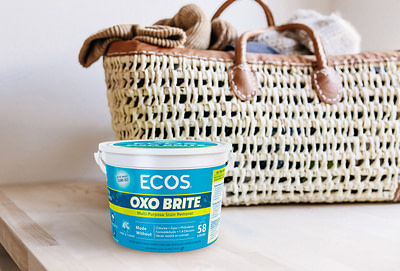
For tougher stains, you can add ECOS OxoBrite® Multi-Purpose Stain Remover oxygen-based booster to the wash. It is designed to help with stain removal. With mineral-based ingredients, this formula works deep within fabrics to address stubborn stains, enhance colors, and help restore brightness to whites.
If the care label allows, you can also use ECOS Fabric Odor Eliminator by spraying it directly onto the item.
- Cycle: bulky or delicate
- Temperature: 85–105 °F
- Tip: make sure there is enough space in the drum and that it is balanced in weight
Cushion covers (velvet or delicate fabrics):
For delicate fabrics such as velvet, it’s best to wash them inside out, using gentle cycles with low spin. Using the right amount of detergent not only protects fabrics but also helps reduce water use during rinsing.
- Cycle: delicate
- Spin: low
- Wash inside out to protect fabric
Key eco tip: avoid excess detergent to improve rinsing and reduce water use.
LIVING ROOM: REFRESH SHARED SPACES
The living room is one of the spaces where the seasonal shift is most noticeable. Cushions, throws, curtains, rugs, upholstery, table linens… all these textiles accumulate dust and odors during winter and benefit from a thorough cleaning.
Cushion covers and throws can be washed at 85 °F with ECOS Laundry Detergent Ultra-Concentrated, which performs well even in cooler water, helping reduce energy use while delivering good results. Curtains and sheers are best washed on delicate cycles with gentle spin to avoid wrinkles. Hanging them right after washing allows their own weight to help smooth them out.
Upholstery with removable covers should always follow manufacturer instructions, but generally works well with gentle cycles and detergents that rinse cleanly. Rugs often just need thorough vacuuming, but if washable, a cold cycle with ECOS Hypoallergenic Laundry Detergent with Enzymes helps maintain them without damaging fibers.
Small details are often overlooked, like fabric lampshades, which also collect dust and can be cleaned with a gentle or hand wash.
How to wash responsibly
Cushion covers and throws:
- Cycle: cotton or mixed, depending on fabric
- Temperature: 85 °F
Recommended product:
ECOS Laundry Detergent Ultra-Concentrated

Curtains and sheets:
- Cycle: delicate
- Spin: gentle
Tip: hang or fold carefully to minimize wrinkles
Upholstery (removable covers):
- Follow care label
- Avoid high temperatures
Rugs:
- Deep vacuuming
- If washable: cold delicate cycle
Table linens:
- Cycle: cotton
- Temperature: based on soil level
Lampshades:
- Hand clean or very gentle wash if suitable
Eco tip: prioritize cold cycles and air drying to reduce energy use.
KITCHEN: FUNCTIONAL TEXTILES MATTER TOO
Kitchen textiles are more exposed to stains and grease and serve a practical purpose. Dishcloths, tablecloths, and aprons should be washed regularly. In most cases, washing at 85–105 °F is sufficient, especially when using an ECOS detergent designed to handle everyday stains. Pre-treating stains helps avoid more intensive wash cycles.
How to wash responsibly
- Cycle: cotton
- Temperature: 85–105 °F (avoid higher temperatures unless needed)
Recommended product:
ECOS Laundry Detergent Packs
Tip: pre-treat stubborn stains to avoid more intensive cycles.
BATHROOM: FRESHNESS AND RENEWAL
Bathrooms also get refreshed in spring. Towels, bath mats, and shower curtains can be washed on cotton cycles at moderate temperatures. Choose ECOS Fragrance-Free Laundry Sheets for items in direct contact with skin. Avoid overloading the washer to improve rinsing and reduce wear.
Towels and mats:
- Cycle: cotton
- Temperature: 85–105 °F
Recommended product:
ECOS Laundry Detergent Sheets – Free & Clear
Tip: avoid overloading the washer.
CLOSET CHANGEOVER
One key moment of spring cleaning is the seasonal wardrobe change. Coats, down jackets, parkas, wool sweaters—all need proper cleaning before storage.
Down jackets should be washed on delicate cycles, at low temperatures (around 85 °F), with gentle spin. Adding a clean tennis ball to the drum helps keep the filling from clumping. ECOS Liquid Laundry Detergent with enzymes is a good option, as it rinses easily and helps maintain the filling’s loft.
Wool garments require even more care: use wool or delicate cycles with cold water to reduce friction and help maintain their shape.
Once clean, make sure all items are completely dry before storing them in breathable covers in a dry, dust-free space.
How to wash responsibly
Down jackets:
- Cycle: delicate
- Temperature: 85 °F
- Gentle spin
Wool:
- Cycle: wool or delicate
- Cold water
Tip: avoid excessive friction
Coats:
- Follow care label
- If washable: gentle cycle
Eco tip: ensure items are fully dry and store in breathable covers.
RUGS: OFTEN OVERLOOKED
Rugs, a key part of winter comfort, also deserve attention in spring. In addition to vacuuming thoroughly, this is a good time to store them or switch to lighter options. If washable, use cold water and a gentle yet effective detergent like ECOS Hypoallergenic Laundry Detergent to help preserve fibers.
If not washing, you can use ECOS Stain + Odor Remover. With a simple ingredient profile, it helps address stains on clothing, rugs, upholstery, and other fabrics.
How to care for them responsibly
- Vacuum regularly
- Wash in cold water if suitable
Recommended products:
ECOS Hypoallergenic Laundry Detergent and ECOS Stain + Odor Remover
A MORE MINDFUL LAUNDRY ROUTINE THROUGHOUT YOUR HOME
Adapting your home for spring isn’t just about changing textiles—it’s also about how you care for them. Choosing appropriate cycles, lowering temperatures, and selecting thoughtfully designed products helps maintain effective cleaning while reducing impact.
In the end, spring cleaning isn’t just about what we change, but how we live in our homes. Choosing lighter textiles, caring for them properly, and adopting a more mindful laundry routine is a simple way to reduce impact without adding complexity.
At ECOS, we believe every small action matters. Choosing how we wash, how much we use, and what products we rely on is part of a more balanced lifestyle—one that supports both the home and the environment.
This spring, let your home breathe with you. Discover more solutions for your cleaning routine on the ECOS website.