
How to Wash Every Type of Clothing (Without Ruining Anything)
5 minute read
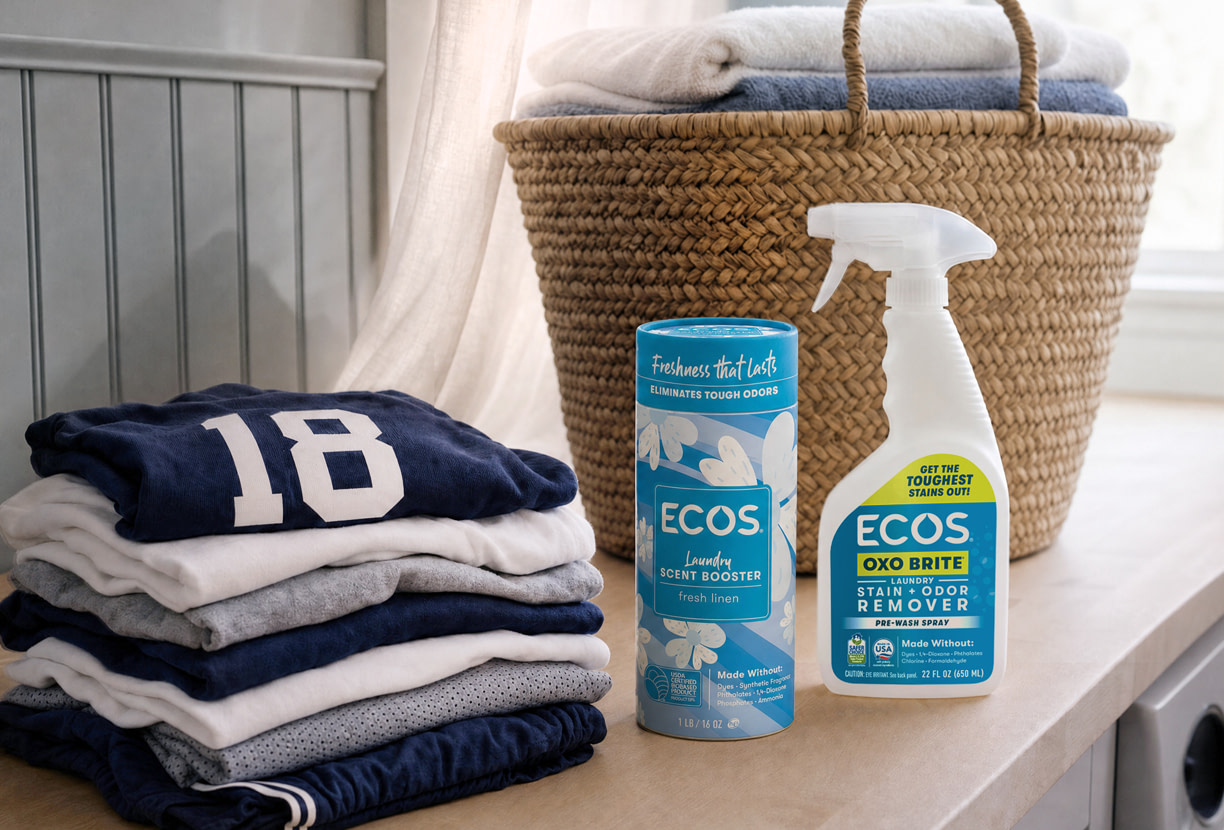
Let’s be honest: the laundry basket sometimes seems to have a life of its own. You look at it out of the corner of your eye, and there they are together: your gym sweatshirt, the school art smock covered in tempera paint, that crisp shirt for Monday meetings, and your favorite wool sweater… the one you’re terrified to put in the washing machine lest it comes out doll-sized.
Does this dilemma sound familiar? Take a deep breath. Doing laundry well doesn’t require deciphering impossible hieroglyphics or spending hours staring at care labels; you just need to know a couple of tricks for each fabric and rely on effective formulas made with plant-derived cleaning agents that care for your clothing fibers and your skin.
Make yourself comfortable, because today we’re breaking down how to care for every garment in your closet and every home textile so everything lasts much longer, looking like day one.
- Little Explorers: School Uniforms and Play Clothes
Between playground games, field trips, and crafts, kids’ clothing undergoes true trials by fire. The secret to keeping tomato sauce, grass, or markers from taking up permanent residence on their pants? Speed.
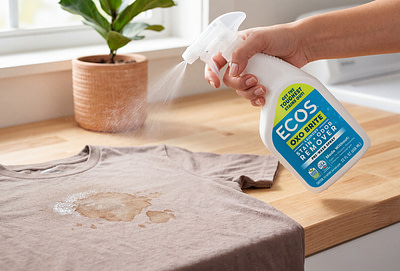
- The Foolproof Trick: Don’t let the stain dry until the weekend. As soon as they get home, spray ECOS® OXO Brite® Stain and Odor Remover Pre-Wash Spray directly onto the area before the garment ever hits the hamper. Give it a few minutes so its cleaning agents can break up the stain ring.
- Protect the Details: Always wash inside out. This prevents direct friction against the drum, protecting seams, colors, and those school crests or patches that are so difficult to replace.
- Workout Mode: Activewear Fabrics
It has surely happened to you: you pull your technical athletic shirt out of the wash, it smells fine, but five minutes into your workout, that weird odor is back. Why does this happen?
Synthetic fabrics (like polyester, nylon, or spandex) are wonderful at wicking away sweat, but they have one drawback: they trap body oils and odor-causing bacteria.
- Golden Rule: Never leave damp clothes balled up inside your gym bag. If you’re not going to run a wash cycle immediately, spread them out to air-dry.
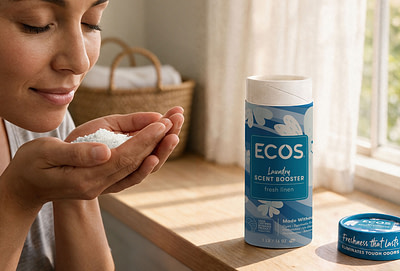
- The Right Wash: Use cold or warm water cycles and avoid conventional fabric softeners (they create a coating over the fibers that destroys their breathability and moisture-wicking abilities). Instead, add a capful of ECOS® Laundry Scent Booster for an extra dose of long-lasting freshness workout after workout.
- Dressed to the Nines: Workwear, Dress Shirts, and Blouses
Suits, stiff-collared dress shirts, and flowing blouses require extra care so they don’t lose their drape or look prematurely worn out.
- Pay Attention to Collars and Cuffs: Daily friction and natural skin oils stain collars. Treat them with a touch of stain remover before putting them into the drum.
- Goodbye, Stubborn Wrinkles: Button shirts halfway up and turn them inside out to protect the buttons. Use a gentle spin cycle (800 RPM is ideal) and give them a brisk shake when you take them out. If you hang them directly on hangers while still damp, you’ll cut your ironing time in half!
- Blouses, Dresses, and Delicates: If they contain silk, chiffon, or rayon, place them inside a mesh laundry bag. You’ll avoid snags from zippers or buttons on other garments.
- Wool and Knit Sweaters
Few things bring more comfort in winter than bundling up in a fluffy, soft sweater. And few things hurt more than taking it out of the washing machine only to find it has shrunk three sizes. Wool and knitwear cannot tolerate heat or aggressive agitation.
- Cold Water and Gentleness: Always select the dedicated wool or delicate cycle (with minimal or no spin) and use a gentle, pH-balanced detergent like ECOS® Laundry Detergent with enzymes, formulated with plant-powered cleaning agents that care for natural fibers without matting them down.
- Drying Is Key: Never hang a wet wool sweater on a hanger or with clothespins; the weight of the water will stretch it out and distort the shoulders. Lay it flat horizontally over a clean, dry towel.
- Outerwear: Winter Coats, Parkas, and Down Jackets
Washing coats at home doesn’t have to be intimidating if you follow these steps:
- Before Washing: Zip all zippers, fasten hook-and-loop closures (Velcro) and snaps, and remove faux-fur trims from hoods if detachable.
- The Down Jacket Trick: Wash only in cold water on a moderate spin cycle. The secret to keeping feathers from clumping together as they dry? If using a dryer on low heat, toss in a couple of tennis balls or dryer balls to gently fluff the garment and redistribute the filling evenly.
- Fluffy Towels, Bed Sheets, and Kitchen Towels
Here we’re talking about pure, straightforward hygiene, without needing harsh ingredients or chlorine bleach.
- Towels and Sheets: To keep towels absorbent rather than scratchy like sandpaper, don’t overuse fabric softener (which coats and clogs cotton loops). Wash them at moderate temperatures with your everyday detergent to remove residual body lotions and dead skin cells. This trick works for bed sheets as well. Use a gentle spin cycle so you don’t have to iron them.
- Kitchen Towels: These accumulate the most grease and food residue. Wash them separately from other laundry at a higher temperature and pre-treat them with stain remover if they have tough grease spots.
- Home Textiles: Curtains, Cushion Covers, and Throw Blankets
We often overlook them, but they collect airborne dust and household odors.
- Crisp, Iron-Free Curtains: Wash on short, cold-water cycles with a very low spin speed to prevent wrinkles. Rehang them directly on the curtain rod while still damp; their own weight will pull out creases smoothly, and they’ll subtly scent the entire room as they dry.
- Cushions and Blankets: Always remove inner cushions before washing slipcovers, and turn covers inside out to protect delicate textures (like velvet or linen).
- College Life and Shared Laundry: Zero Drama, Maximum Space
For anyone living in a shared apartment or taking turns in a dorm laundry room, laundry sheets and pacs are the way forward.
- Compact Convenience: ECOS® Laundry Detergent Sheets and ECOS® Laundry Detergent Packs are perfect: they take up almost no space in your closet, weigh next to nothing, and completely eliminate guesswork and overdosing.
- Simple and Quick: Sort by basic shades (lights and darks), toss your sheet or pac into the bottom of the drum, load your clothes, and you’re set.
One Last Friendly Tip
Choosing cold-water washes whenever possible doesn’t just protect the colors, elasticity, and shape of your favorite clothes so they stay with you season after season—it also noticeably lowers energy consumption on your utility bills. It’s a win-win for everyone!
Which piece in your wardrobe gives you the most hesitation on laundry day?